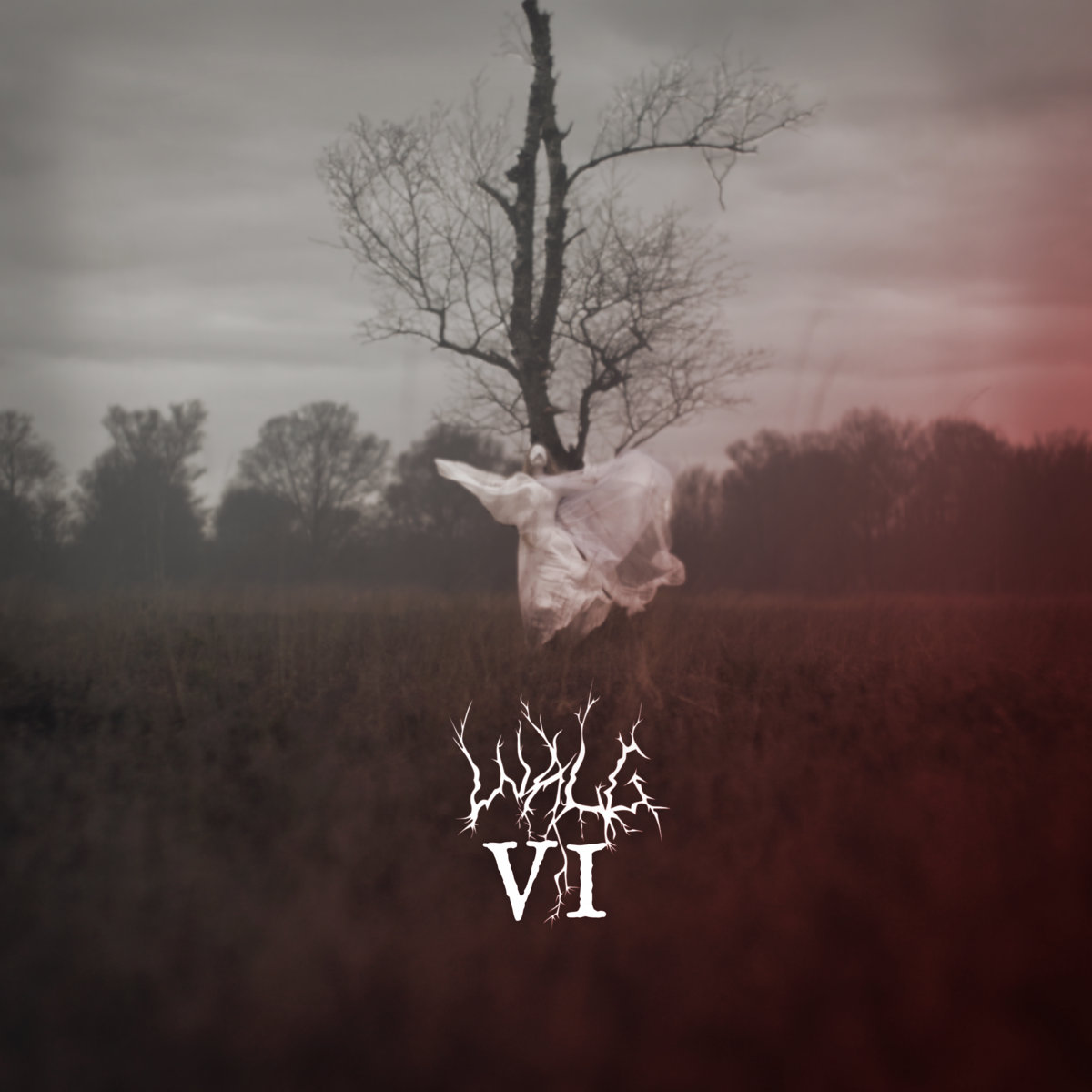
Walg – VI
Release Date: 26th June 2026
Label: Independent
Bandcamp
Genre: Melodic Black Metal
FFO: Vinterland, Dawn, Kannonenfieber, Necrofier, Naglfar, Moonlight Sorcery, Wode, Vemod, Aara.
Review By: Malte Brigge
The vast, blank emptiness of the unwritten page stares back at me, mocks my search for answers. Darkmode on, the page is black, bleak, and forever, mirroring the starless cosmic void, that nighttime of my soul. A haunting, discordant sound—a strange scavenger bird, perhaps—patiently awaiting my final collapse, calls out, from where I can’t be sure. Perhaps in the page itself. Perhaps somewhere farther away. It lasts just long enough to establish the unease, the walg that is life. The Dutch word for disgust has defined our response to the brute stupidity of these past six years. So Walg returns to examine suffering, melancholy, the old stories and witch’s ways, and to separate the listener from their ego in a kind of spiritual death.
Robert and Yorick have the stated goal to release one album per year of melodic pain and agony to give shape to what haunts your dreams. From their eponymous debut in 2021 through 2025’s V, they have delivered, each new album weaving expanded musical experimentation to sound fresh and unique without losing the violence at their core. VI is upon us, because it is time. The chops, the riffs, the structures continue to flow out of this remarkably creative duo, pushing slightly further into sonic ranges established and explored on previous work. Their waspy tremolo melodies and lacerating chord progressions morph and reshape across each song in directions as inevitable as they are unpredictable. Robert’s multifoliate musical vision gives room for Yorick to explore the range of his vocals, from blood-soaked shrieks to serrated throat singing to full-bodied strata of folk-inspired harmonies.
Naglfarian hues can be glimpsed in how Walg structures songs, building themes across what might be called choruses and occasional refrains, but not relying on the more pop-oriented structure of bands like Kannonenfieber. The first three songs of VI are tied together as a single evolution of a larger structure, the many atmospheric changes of 1597 culminating in an attention-grabbing, three-note rhythmic pitch that sets up De Eenlonkster like a jangly horizon drone which at times feels like it’s leading the song into battle. The lead line of Het Klooster van Ter Apel saws across any apathy you were feeling, tying the angular mid-neck riff with choral vocals, a wolfy guitar howl and a big, organ-backed stomp that builds the second half of the song into its original mazework is heady and thrilling. The assassin spider attack of Erfvloek and its long, orchestral build that drops fluently into a furious, downstroked strike exemplifies Walg’s ability to effortlessly slip killer fretwork into their themes to thicken the sound without spinning out of control. The use of secondary instruments (you will, in addition to orchestration and synths, hear mandolins, church organs, a droning soprano, even a jaw harp) and clever layering of sub-riffs and arpeggiated runs twining with tortuous tremolo tracks makes these songs feel so aerial, yet so heavy.
Walg still can’t manage an effective fadeout (De Nacht, Erfvloek), though. Across their discography, fadeouts clip songs, reminding you you’re listening to a production rather than diving into the black hole of an existential crisis. It’s reminiscent of the way 60s pop bands used fadeout as a quick exit rather than a contemplated strategy. I wish Walg would extend chosen songs into the bleak stretches of eternity they are meant to be, because VI instead ends with a sudden nosedive that undermines Erfvloek’s neckbreak acoustic modulation. One more noticeable effect about Walg’s annual output is that, six albums in, you pretty much know what you’re getting. It’s not new to have a sense of déjà vu on Walg albums: “Vuurdroop” from IV has a similar bridge to Walg’s “Slavenwalds”, for example. The opening climber of VI pairs tightly with III’s opener; De Eenlonkster works its main theme around the same ordering of notes as “Het Vlees Vergat”; there are moments all throughout the album that recall elements of previous output. It isn’t exactly recycling, but it’s not quite reimagining, either. They aren’t progressive enough for this to be considered conceptual continuity; it feels more like they are rebuilding earlier ideas inside updated contexts.
VI isn’t a rehash of what Walg has been doing but a satisfying continuation of an incredibly successful and consistent oeuvre. Their hectic pace grounded in richly layered atmospheres makes for a thrilling listen and rewards multiple returns. VI expands the terrain upon which they explore folk tales, superstition and suffering without sacrificing the violence, atmosphere and diversity that has established their formidable discography.
 (3.5 / 5)

