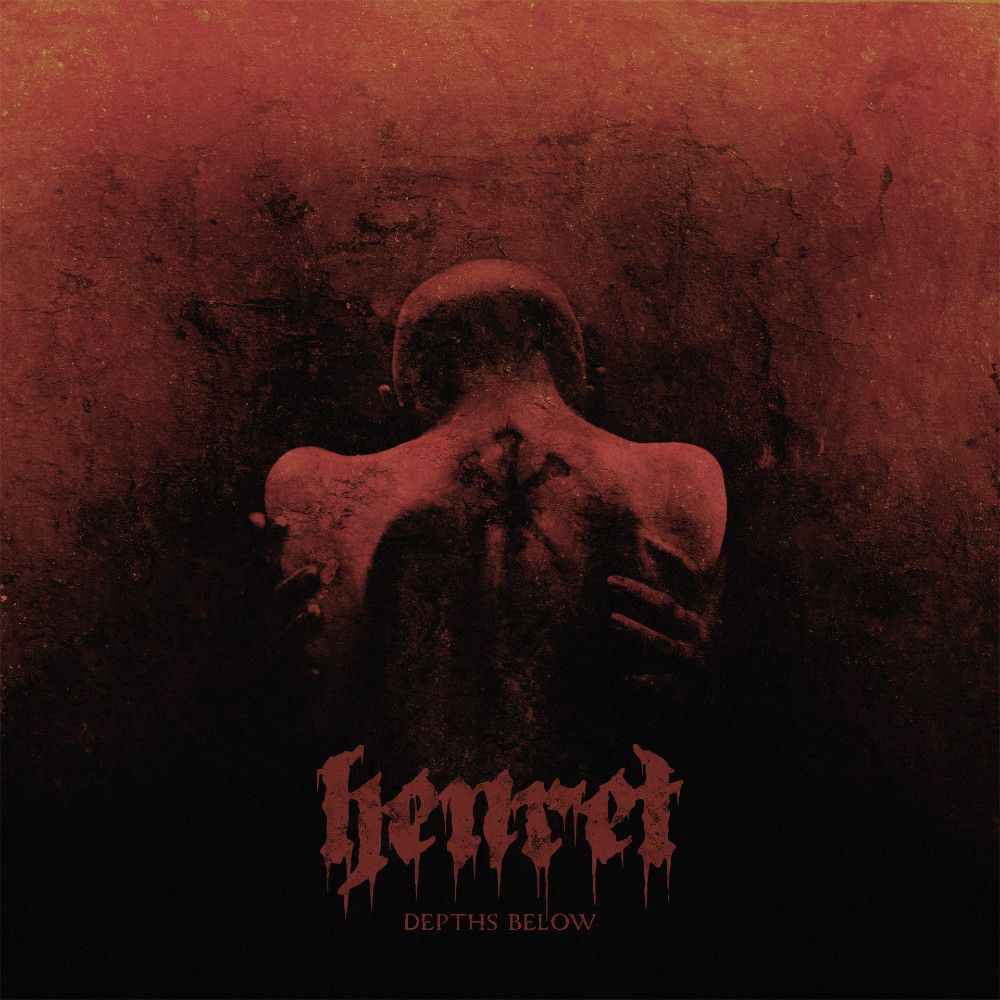
Henret – Depths Below (EP)
Release Date: 26th September 2025
Label: Prime Collective
Order
Stream
Genre: Deathcore, Hardcore, Metalcore.
FFO: CABAL, Kublai Khan TX, Bodysnatcher.
Review By: Trina Julian Edwards
From the bowels of Denmark’s underground metal scene, Copenhagen quintet Henret returns with their follow-up to 2023’s Abandon Hope. On September 26th, Prime Collective will unleash the band’s latest EP, Depths Below – a sonic plunge into darkness with no escape. Blending the melody, brutality, and raw fury of metalcore, deathcore, and hardcore, Henret invites listeners into a world where we’re forced to confront the bitter truths of life…and death. The grave whispers, guilt gnaws at our guts, and the darkest parts of ourselves lie in wait in the Depths Below.
Bury Me highlights Henret’s unconventional approach to song structure, avoiding familiar patterns primarily by repeating only the chorus. This refrain, punctuated by gritty, aggressive vocals chanting “Bury me, bury me, bury me…,” acts as the track’s anchor. While certain elements, like the thunderous rhythm driving the song’s more energetic segments, recur throughout, each section introduces fresh components. There’s a lively little slap bass solo around the 38-second mark, followed by a downtempo interlude before the energy begins to surge again. Just after the 2:00 point, they introduce an intriguing guitar soundscape that weaves through the remainder of the song. Their metalcore influences are apparent here, particularly in what appears to be the only verse, calling to mind 2000s Unearth.
Seep into the Mud is a riffy beast that epitomizes Henret’s ambitious approach to songwriting, blending brutality with melody and accentuating their various genre influences. It opens with a not-quite-mid-tempo groove to ease you into the onslaught. While undeniably brutal, this track is more of a slow burn, methodically building in intensity before unleashing a crushing chorus. The song’s structure features a number of moving parts, but there is minimal repetition, which makes it hard to keep track of where you’re going and where you’ve been. The vocals are typical of a more aggressive, hardcore style, exuding ferocity and adding another layer to the brutality. Around the 2:20 mark, the band locks into a relentless chug, then the tempo unexpectedly drops, and the rhythm shifts dramatically. This is punctuated by brief, powerful vocal interjections that color the outro.
Dissonant guitars mark the intro to Lost Cause, before we plunge into chugging, chunky riffs that propel the track forward. These primal, caveman riffs evolve into a more melodic section, which echoes old-school metalcore. The tempo steadily builds until it abruptly halts for a brutal chorus, underscoring the band’s dynamic range. Vocalist Anders Iverson seamlessly transitions from hardcore yells to guttural deathcore growls and everything in between. In true deathcore fashion, at the 2:10 mark, they deliver a powerful breakdown, immediately revisiting it at a slower tempo, amplifying the impact and adding a weighty, dramatic conclusion to the track.
A Place to Suffer opens with a slow, portentous intro that suddenly erupts into a crunchy, groovy rhythm reminiscent of Whitechapel. Which may explain why it’s also probably my favorite track. As the verse begins, the tempo subtly dips, featuring a sort of call-and-response vocal pattern emphasized by the underlying rhythm. The energy builds again, only to drop noticeably at the chorus, creating a compelling contrast. Vocally, the track is a rollercoaster, with mid-to-high range screams dominating the verses before plummeting to guttural lows in the breakdown. The latter half introduces a bouncier rhythm before taking us back to the chorus. A Place to Suffer is incredibly dynamic, and the rhythm feels densely packed, with the band seemingly squeezing more notes into each measure than should be possible.
Lambs to the Slaughter is another compelling composition. The track opens with a blistering, hammering rhythm, complemented by vocals that match its breakneck pace and energy. A brief tempo drop is a momentary respite before we’re back to the bombardment of the fierce rhythm. The verse builds in speed and intensity, creating a sense of urgency, and the tension and release are well done here. It cycles back to the initial hammering rhythm, gradually descending into a chorus-like section before throwing down the breakdown elements like it’s a challenge. They revisit the relentless hammering rhythm, this time enhanced by layered vocals that add textural complexity. The composition then shifts gears again, with an extended instrumental section dominated by a persistent, chugging rhythm that plows through everything in its path.
Although Depths Below only clocks in at just over two minutes, Henret makes every second count. The track opens with almost ethereal-sounding clean guitar tones that reverberate into the void. The leads join with a memorable melody, and the song erupts into a massive, chugging rhythm. The verse showcases the higher end of Iverson’s range, infusing the track with raw intensity. The tempo downshifts during the lone chorus, revisiting that beautiful guitar melody before coming back around to the clean tones of the intro. It feels rather palindromic – as if the song were played forward, then backward. It’s one of the best compositions on the EP, and it’s a fitting conclusion.
Overall, Henret’s ambitious fusion of hardcore, metalcore, and deathcore demonstrates their versatility and vision. While this mixture definitely adds depth to their sound, it also raises the question of how they’ll realistically carve out their unique niche in an increasingly saturated “core” scene. The band’s technical skill is evident, from the tight instrumentation to the variety of vocal styles. However, their unconventional song structures sometimes lack cohesion, and the only reason they manage to stay on track is the skill of the musicians. Granted, this is not unusual for deathcore, or hardcore for that matter, but I feel like we need a little more metalcore in the compositional aspects, if nowhere else. I’ll be interested to see whether they lean into these more complex structures or expand on some of the more accessible aspects of their sound. Either way, Henret’s potential is evident, and I’ll be interested to see how they refine and distinguish their identity in future releases.
 (3.5 / 5)

