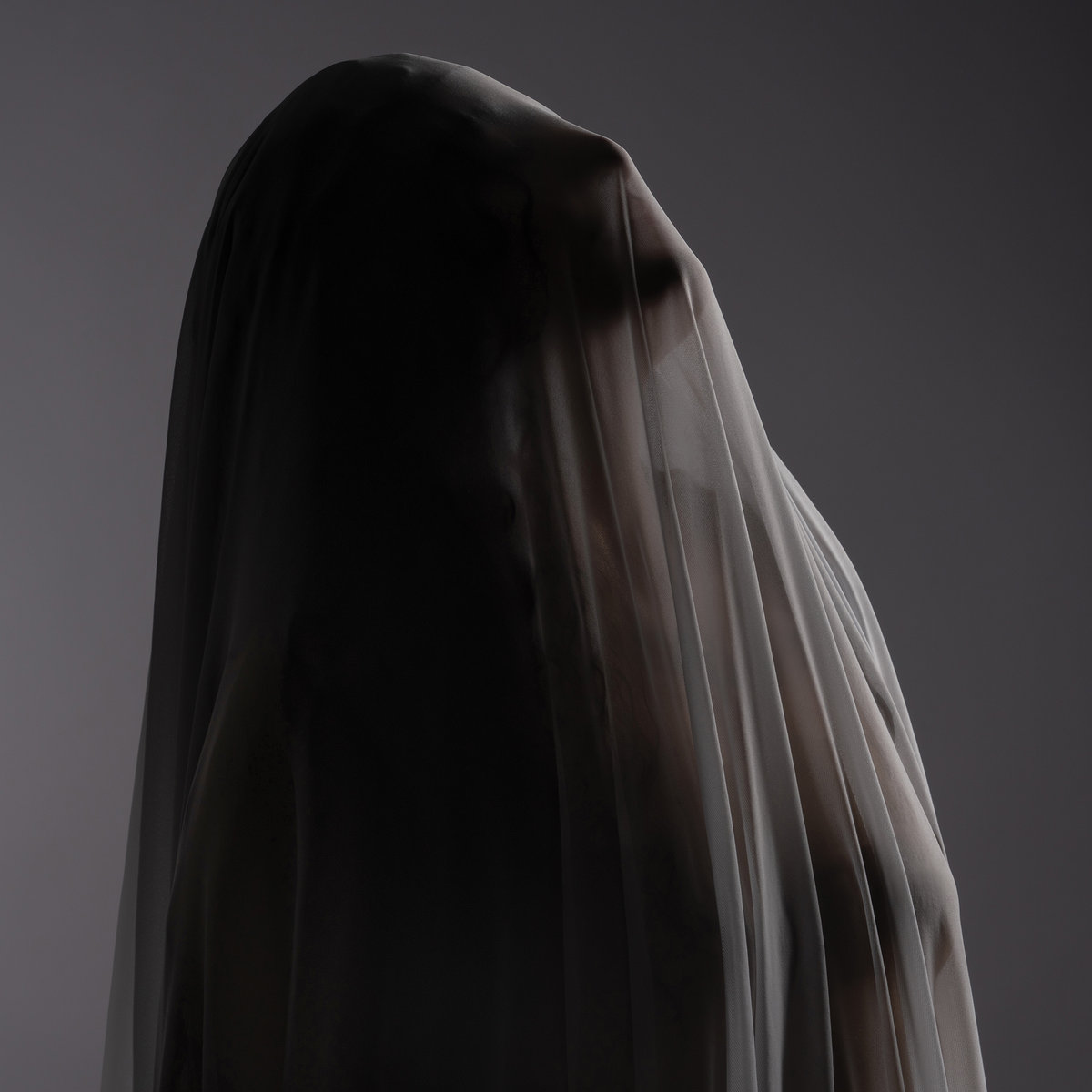
Grayceon – Then The Darkness
Release Date: 25th July 2025
Label: Translation Loss Records
Bandcamp
Genre: Progressive Metal, Progressive Rock, Post-Metal.
FFO: Anareta, Exulansis, Tribunal, Madder Mortem, Nick Cave & the Bad Seeds.
Review By: Malte Brigge
Grayceon simply don’t sound like anybody else. Standing on the midway point between the orchestra-first black metal of Anareta and the art-first gothic nature of Tribunal, Grayceon utilizes the cello as a lead instrument rather than an occasional flourish. This not only creates an unusual premise but introduces the promise that these songs, ultimately, have a different purpose. 2011’s All We Destroy is a high-water mark in their discography where they combined energy, orchestration and extreme elements in a singular masterpiece. 2020’s Mothers Weavers Vultures captured their renewed force, musical craftsmanship and lyrical poeticism while embracing doomier inclinations. Now back with Then the Darkness, their sixth album and longest by twenty minutes since 2008’s This Grand Show, are Grayceon becoming a beast or is their beauty just getting darker?
Then the Darkness is structured in three parts. Opener Thousand Year Storm establishes a terrifying explosion of grief and loss, whose confusion in the first third of the album reaches a crescendo of harmonies and counterpoints in Velvet ‘79. This is followed by the disjointed arena rock of 3 Points of Light, downright jovial after the tortured expressions preceding it. The second act sinks into angry mourning with the substantial centerpiece of Mahsa (about Mahsa Amini, the Iranian woman who died in 2022 “under suspicious circumstances” while not wearing a hijab) and Forever Teeth (35 minutes in total including the eponymous instrumental—pretty but forgettable—bridging the two). The final third holds the most surprises, in the sinister Bad Seeds vibe of Song of the Snake, the grooving rhythm and melody of Holding Lines and the soft bittersweetness of Untitled that recalls Pink Floyd’s Atom Heart Mother era. Rapid emotional swings set up closer Come to the End, which quickens the tempo, gets your head bobbing and fades out in a way that suggests we haven’t finished.
Jackie Perez Gratz’s vocals create catchy, slightly off-kilter melodic lines. Her voice carries an impassioned weight recalling Madder Mortem’s Agnete Kirkevaag and singers like Nick Cave and Nina Simone, who largely stay in their comfort zones but deliver with such impact it can take your breath away. The first thing you hear from her, though, are blackened shrieks counterpointed by cleans so light and airy as to be almost indistinct. She uses those pained howls sparingly, which makes the shock of their return on Forever Teeth palpable. They are heard one last time in the very final verse of Come to the End, which intriguingly bookends the album with howling fantods. Perez Gratz is an effective vocalist capable of weaving sophisticated harmonies on tracks like Song of the Snake and Mahsa that conjoin lyrical themes in an affecting confluence.
Max Doyle’s guitar has a strong, crunchy tone that does a lot of lifting. He doesn’t explore the fretboard much (only in the very final fadeout do we hear any high notes at all) but his intricate work should be thought of more as themes than riffs. The power of his writing isn’t how many ideas he uses but the way he builds songs—switching between clean tones and overdriven distortion, standard time and polyrhythmic interplay with Zack Farwell’s perceptive drumming—to explore more emotional than technical progression. The 20-minute tribute Mahsa, for example, is nearly seven minutes in before any thematic shift occurs, but it’s so well-formed you don’t notice. Farwell, slightly understated in the mix, knows when to punctuate songs with almost casual exploration of the kit (Untitled), when to kick into a driving groove (One-Third) and when to just lay steady the beat (Holding Lines). It’s all the more terrifying, then, when he goes absolutely ballistic on Song of the Snake with double kicks, blast beats and pummeling chaos set against Doyle’s spacious, rolling chords. The cello powers through urgent, cathartic riffs or takes subtle leads that complement both the guitar work and the lyrical content. Grayceon has a serious knack for understanding how to structure poignant peaks and dark valleys for the greatest emotional reverberation.
The 79-minute length might make it difficult to press play, especially considering that Then the Darkness is best experienced as a whole, the way you sit through a play from the first to the last act. It’s hard to find much to criticize about an album that is so masterfully built with such clear intentions. There’s no track I’ve tired of hearing or want to skip. Even songs like 3 Points of Light that feel jarring at first are necessary to the album’s dramatic build, either in releasing the tension that came before or setting up the gut punch to follow. It is a dark, furious work that isn’t finished processing the grief and rage it faces. I started off thinking this album was in the good to pretty good territory, but the more I listen, the more I realize Grayceon has achieved real excellence and Then the Darkness is deserving of your time and attention.
 (4.5 / 5)

