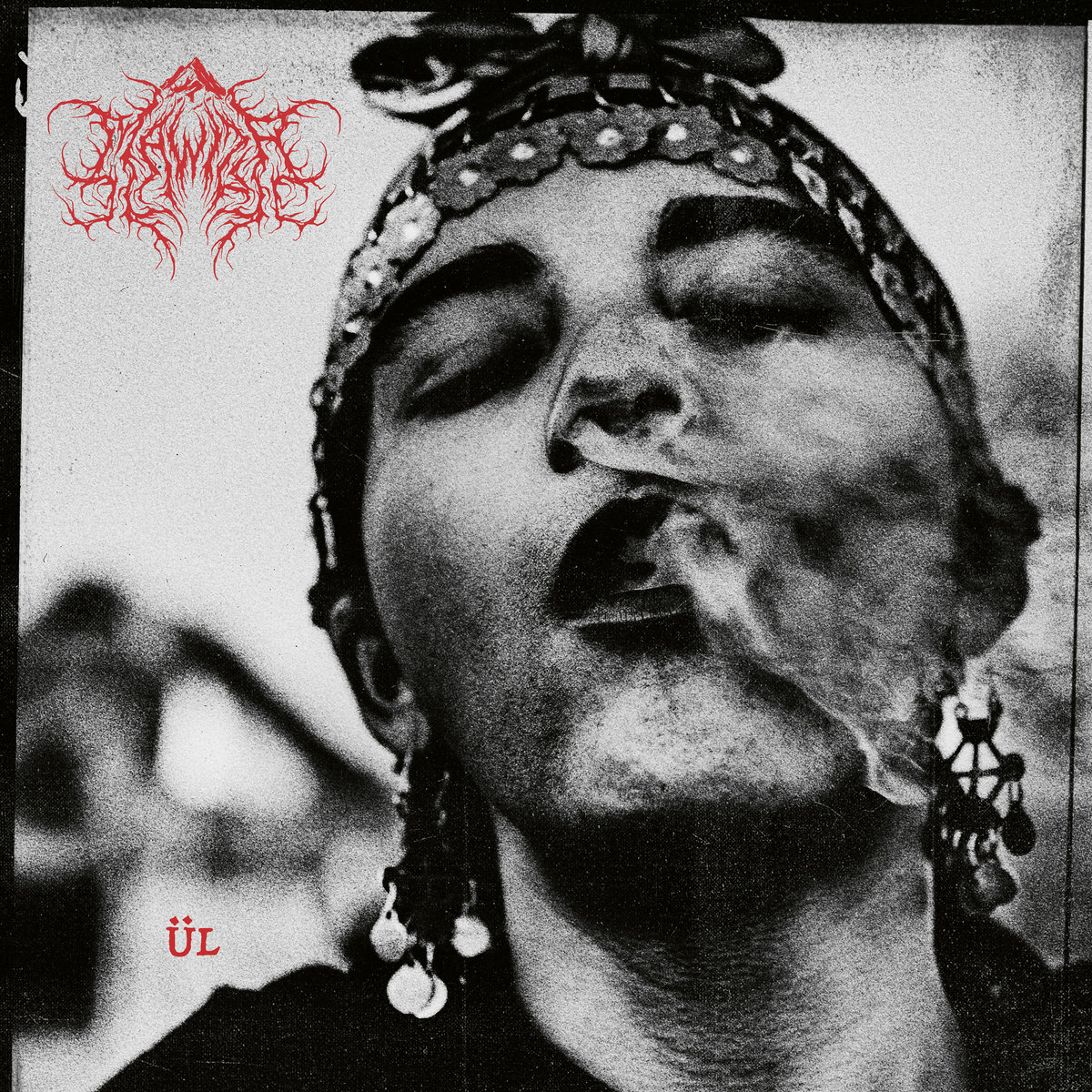
Mawiza – ÜL
Release Date: 18th July 2025
Label: Season of Mist
Bandcamp
Genre: Indigenous Groove Metal
FFO: Gojira, Soulfly, The Hu, Hell:on, WithOut Rezervation.
Review By: Malte Brigge
Metal is a culturally defiant black sheep but, like hip-hop, can be more than just ‘stick-it-to-the-man, nyah nyah bleurgh’ rebellion, especially for suppressed identities and oppressed cultures. The music uplifts heritage, maintains linguistic continuity and actively takes the fight, if need be, to powers seeking the erasure of peoples and histories. The Mapuche fought the Spanish to a standstill for over 300 years; before that, they successfully resisted the Inca, and they have been fighting the Chilean government (which famously murdered, among others, the poet and singer Víctor Jara) for their own lands and recognition as individuals with the right to exist since the late 19th century. On Ül, Mapuche Nation representatives Mawiza translate this history through their stentorian brand of metal into a call to arms. They recently dismantled traces of Spanish colonial presence in their performance by re-releasing their 2019 album, Kollong, entirely in their native Mapuzugun. Ül (which means ‘chant’) is the first metal album originally conceived and recorded in Mapuzugun as an intentional act of decolonization. With such a defiant mission (plus endorsement and guest spot from Gojira’s Joe Duplantier), who am I at all to make any comment on what they are doing?
Leadoff track Wingkawnoam (“To Decolonize”) immediately demonstrates Mawiza’s singular use of natural harmonics, tortuous chords, pulsing Fear Factory-esque rhythms and chanting reminiscent of early Soulfly that all feels slightly unearthly, driven by Txalcan’s pounding drums and Zewü’s fat bass tone. Rarely as Mawiza crash, screech, cry, stomp and spend forty minutes preparing for war will you hear anything other than guitar, bass, drums and Awka’s multifarious vocals, yet there are shades of bands like Hell:on and The Hu in the delivery. E strings on Kalli Lhayay (“Let It Die”) are struck in a way that is reminiscent of a jaw harp, weirdly foreshadowing its use on Ti Inan Paw-Pawkan (“The Last Harp Call”). Flashes of different percussion emerge (Lhan Antü–“Dead of the Sun”) but if there is anything else, it gets buried in the fairly loud mix.
Mawiza’s approach to playing, however, has an ancient quality. I can’t think of too many bands that use their guitars the way Karü and Awka do. It’s like they heard the opening riff of Machine Head’s “Davidian” and amplified the idea as a framework for constructing riffs and leads. They state this intricate harmonic layering represents “the sound the universe gave us…the birds and leaves in the wind”, which is evident throughout the album but most notably applied on Ngulutu (“Western Storm”) and Mamüll Reke (“Just Like the Tree”). The playing is tight, precise, unsettling, powerful, bouncy and unexpected, with enough groove to get you jumping around.
The screeching, discordant bird-cry guitars present sounds, scales and melodies influenced by but not born of Western cultural standards. This sets the foundation for Awka to scream, chant, roar, yell, shriek and sing in his native Mapuzugun language, which is vocalic with strong metrical patterns. His delivery is percussive (Kalli Lhayay) but slides fluidly into communal chants and catchy melodies (Lhan Antü, Mamüll Reke) as the need arises. He doesn’t possess much range, but occasional variation eases the tedium. Awka has a good voice, but the shouting on top of the bruising rhythms can be bludgeoning on repeat listens. The lyrics are hauntingly beautiful, even as they rage at 500 years of violence and continue the fierce, fierce Mapuche resistance. Metal doesn’t often impress with lyrical fortitude, but it is worth paying attention to what Mawiza has written in both original and translation.
Thunderous, staccato rhythms not only recall the rush of war but, after a while, make you feel like you are being trampled by it. Billed as groove but skewing close to industrial with fast, syncopated, palm-muted chugs, Ül hammers and batters but rarely settles and never swings. There are sparse moments of breathing room, like the melodic valleys of Lhan Antü, the communal calls on show-stopper Mamüll Reke, or the subtle acoustic guitar in Wenu Weychan (“The War of the Sky”). There is deftness in their structures, but their stridency is jarring.
Ül is defiant and unceasing. The guitars ride high, the bass rolls low and the drums presage war, piercing the brain and rattling the bones. The research this album led me into (I highly recommend checking out the works of Dr Nelson Varas-Diaz on YouTube) suggests this is Mawiza’s intent, because Ül is a record born out of 500 years of suffering. If the music causes pain, it may be that these cudgeling rhythms, warbly chords and choruses seemingly sung by giants are calling you to know a specific history of pain. It needs to shout, it needs to march, and it needs to howl free of the standards that have been imposed upon it. Whether you gel with this album or not, it’s guaranteed you’ve never heard anything quite like it before, and something will stick. When all’s said and done, what remains is the understanding that the Mapuche, and Mawiza, are still very much in the fight.
 (3.5 / 5)

